You’ve probably heard that communication is the key to everything. It may sound cliché, but it is one of those phrases that become cliché precisely because they are true. Especially in technology — where much of our work involves constant collaboration among people with different roles, contexts, and experiences.
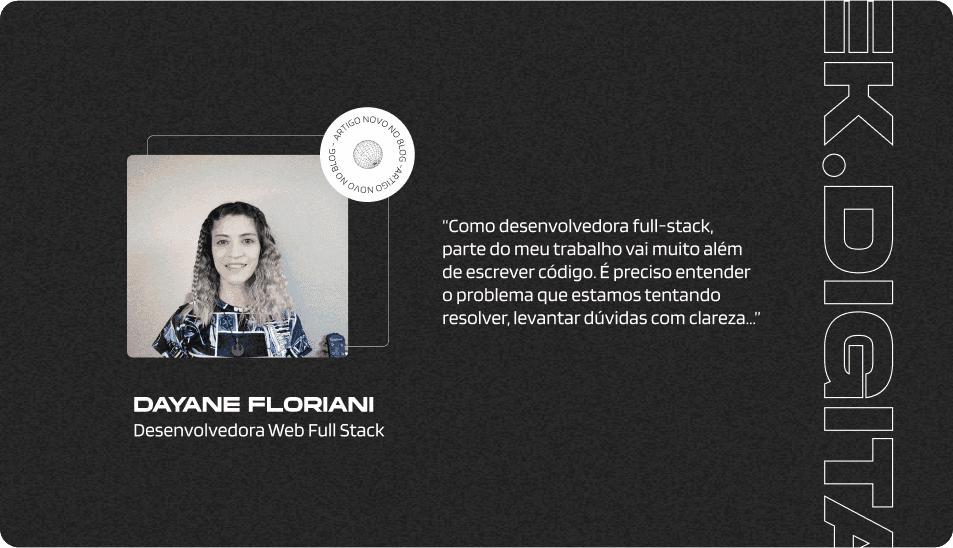
As a full-stack developer, part of my work goes far beyond writing code. It takes understanding the problem we’re trying to solve, raising questions clearly, providing visibility into progress, and — perhaps the hardest part — knowing how to listen and interpret what others are saying (or trying to say).
In all my experiences, one thing has always been with me: theGitLab communication guide.
GitLab is a remote-first company, with people collaborating from more than 60 countries. That alone is already a good reason to trust that they know what they’re doing when it comes to distributed communication. The guide offers several best practices, but one phrase in particular stayed with me, and it is the one I want to highlight here:
“Assume Positive Intent” — or, in plain English, assume good intent.
This simple practice has the power to transform conversations, avoid misunderstandings, and build an environment of trust. This does not mean accepting everything passively or stopping questioning. It simply means giving the benefit of the doubt.
When we are reading a written message, it is easy to misread the tone. The lack of intonation, facial expressions, and context can lead our minds to fill in the gaps negatively. This principle invites us to ask before reacting. To remember that, most of the time, we are all trying to do our best, even if we cannot always express it in the ideal way.
GitLab reinforces this as its first principle of responsible communication — and rightly so. Their culture revolves around asynchronous, open, and documented communication. And in this model, trusting the other person’s intent is not just desirable: it is essential.
What does this change in practice?
When reviewing a PR or receiving feedback, instead of thinking “this person is criticizing me,” think “they want to improve what I’m doing”.
When reading a more direct message, try to imagine it was written in a hurry, not coldly.
Be explicit. The use of low-ambiguity language is especially important in multicultural and remote teams. Providing context, explaining expectations, including links and screenshots — all of that helps.
Avoid premature interpretations:
Read the whole message before replying.
If you have doubts, ask.
If the conversation has gone back and forth three times and it still isn’t clear, the guide itself suggests: jump to a quick call. Sometimes 10 minutes live save hours of misunderstandings.
Working remotely requires a new kind of empathy
Not everyone is in the same time zone, with the same context, or in the same mood. Clear communication, documentation, and goodwill are tools just as important as good coding practices or clean architecture — especially when everyone is working in a different corner of the world.
If you also work remotely (or on a distributed team), it is well worth reading the fullGitLab communication guide.
LET'S TALK ABOUT YOUR PROJECT?
We help turn innovative ideas into reality, fix process flaws through digital solutions, and design interfaces that delight and engage. Committed to excellence and compliance with LGPD, we empower businesses to grow sustainably and securely.

ALL CASES
Communication: the invisible foundation of our work
•
10 min
You’ve probably heard that communication is the key to everything. It may sound cliché, but it is one of those phrases that become cliché precisely because they are true. Especially in technology — where much of our work involves constant collaboration among people with different roles, contexts, and experiences.
As a full-stack developer, part of my work goes far beyond writing code. It takes understanding the problem we’re trying to solve, raising questions clearly, providing visibility into progress, and — perhaps the hardest part — knowing how to listen and interpret what others are saying (or trying to say).
In all my experiences, one thing has always been with me: theGitLab communication guide.
GitLab is a remote-first company, with people collaborating from more than 60 countries. That alone is already a good reason to trust that they know what they’re doing when it comes to distributed communication. The guide offers several best practices, but one phrase in particular stayed with me, and it is the one I want to highlight here:
“Assume Positive Intent” — or, in plain English, assume good intent.
This simple practice has the power to transform conversations, avoid misunderstandings, and build an environment of trust. This does not mean accepting everything passively or stopping questioning. It simply means giving the benefit of the doubt.
When we are reading a written message, it is easy to misread the tone. The lack of intonation, facial expressions, and context can lead our minds to fill in the gaps negatively. This principle invites us to ask before reacting. To remember that, most of the time, we are all trying to do our best, even if we cannot always express it in the ideal way.
GitLab reinforces this as its first principle of responsible communication — and rightly so. Their culture revolves around asynchronous, open, and documented communication. And in this model, trusting the other person’s intent is not just desirable: it is essential.
What does this change in practice?
When reviewing a PR or receiving feedback, instead of thinking “this person is criticizing me,” think “they want to improve what I’m doing”.
When reading a more direct message, try to imagine it was written in a hurry, not coldly.
Be explicit. The use of low-ambiguity language is especially important in multicultural and remote teams. Providing context, explaining expectations, including links and screenshots — all of that helps.
Avoid premature interpretations:
Read the whole message before replying.
If you have doubts, ask.
If the conversation has gone back and forth three times and it still isn’t clear, the guide itself suggests: jump to a quick call. Sometimes 10 minutes live save hours of misunderstandings.
Working remotely requires a new kind of empathy
Not everyone is in the same time zone, with the same context, or in the same mood. Clear communication, documentation, and goodwill are tools just as important as good coding practices or clean architecture — especially when everyone is working in a different corner of the world.
If you also work remotely (or on a distributed team), it is well worth reading the fullGitLab communication guide.
LET'S TALK ABOUT YOUR PROJECT?
We help turn innovative ideas into reality, fix process flaws through digital solutions, and design interfaces that delight and engage. Committed to excellence and compliance with LGPD, we empower businesses to grow sustainably and securely.
ALL CASES
•
10 min
Communication: the invisible foundation of our work
You’ve probably heard that communication is the key to everything. It may sound cliché, but it is one of those phrases that become cliché precisely because they are true. Especially in technology — where much of our work involves constant collaboration among people with different roles, contexts, and experiences.
As a full-stack developer, part of my work goes far beyond writing code. It takes understanding the problem we’re trying to solve, raising questions clearly, providing visibility into progress, and — perhaps the hardest part — knowing how to listen and interpret what others are saying (or trying to say).
In all my experiences, one thing has always been with me: theGitLab communication guide.
GitLab is a remote-first company, with people collaborating from more than 60 countries. That alone is already a good reason to trust that they know what they’re doing when it comes to distributed communication. The guide offers several best practices, but one phrase in particular stayed with me, and it is the one I want to highlight here:
“Assume Positive Intent” — or, in plain English, assume good intent.
This simple practice has the power to transform conversations, avoid misunderstandings, and build an environment of trust. This does not mean accepting everything passively or stopping questioning. It simply means giving the benefit of the doubt.
When we are reading a written message, it is easy to misread the tone. The lack of intonation, facial expressions, and context can lead our minds to fill in the gaps negatively. This principle invites us to ask before reacting. To remember that, most of the time, we are all trying to do our best, even if we cannot always express it in the ideal way.
GitLab reinforces this as its first principle of responsible communication — and rightly so. Their culture revolves around asynchronous, open, and documented communication. And in this model, trusting the other person’s intent is not just desirable: it is essential.
What does this change in practice?
When reviewing a PR or receiving feedback, instead of thinking “this person is criticizing me,” think “they want to improve what I’m doing”.
When reading a more direct message, try to imagine it was written in a hurry, not coldly.
Be explicit. The use of low-ambiguity language is especially important in multicultural and remote teams. Providing context, explaining expectations, including links and screenshots — all of that helps.
Avoid premature interpretations:
Read the whole message before replying.
If you have doubts, ask.
If the conversation has gone back and forth three times and it still isn’t clear, the guide itself suggests: jump to a quick call. Sometimes 10 minutes live save hours of misunderstandings.
Working remotely requires a new kind of empathy
Not everyone is in the same time zone, with the same context, or in the same mood. Clear communication, documentation, and goodwill are tools just as important as good coding practices or clean architecture — especially when everyone is working in a different corner of the world.
If you also work remotely (or on a distributed team), it is well worth reading the fullGitLab communication guide.
LET'S TALK ABOUT YOUR PROJECT?
We help turn innovative ideas into reality, fix process flaws through digital solutions, and design interfaces that delight and engage. Committed to excellence and compliance with LGPD, we empower businesses to grow sustainably and securely.